

I. Types of Food-grade Conveyor Belts
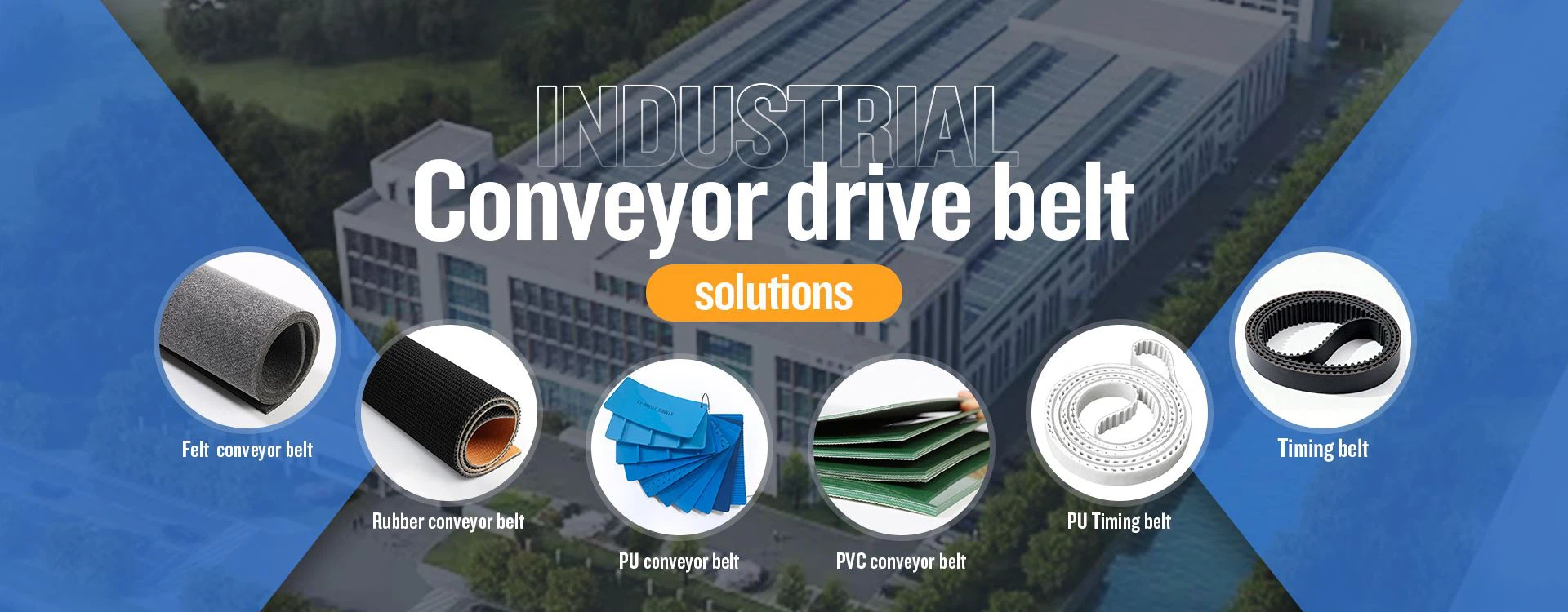
PVC conveyor belt: PVC conveyor belts are non-toxic, odorless, oil-resistant, acid and alkali resistant, and meet the hygiene standards of the food processing industry. It is widely used in the production lines of biscuits, pastries, chocolates and other foods.
PU conveyor belt: PU conveyor belts feature excellent wear resistance, tear resistance and anti-aging performance, and are suitable for processing and transporting foods such as meat, aquatic products and fruits and vegetables.
Silicone conveyor belt: Silicone conveyor belts have extremely high high-temperature resistance and can operate stably for a long time in high-temperature environments. They are suitable for food production lines that require high-temperature processing, such as baking and cooked food.
Ii. Key Points for Selection
When food factories purchase conveyor belts, they must first ensure that the conveyor belts meet the national or regional food hygiene standards, are non-toxic and harmless, and will not cause contamination to food.
Wear resistance: During the food processing, conveyor belts are subject to friction from materials, tools and other objects. Therefore, they need to have excellent wear resistance to ensure long-term stable operation.
Easy to clean and maintain: The food processing environment has strict hygiene requirements. The conveyor belt should be easy to clean and maintain to remove stains and bacteria in time and ensure food safety.
Iii. Precautions for Use
Regular cleaning: Food factories should regularly clean the conveyor belts to remove surface stains and bacteria and keep them clean and hygienic.
Inspection and maintenance: Regularly check the wear condition of the conveyor belt, replace damaged parts in a timely manner, and ensure the normal operation of the conveyor belt. At the same time, appropriate maintenance should be carried out on the conveyor belt, such as lubrication and tightening, to extend its service life.
Correct usage: During the usage process, the operating procedures should be followed to avoid improper operations such as overloading and overspeed, so as to reduce damage to the conveyor belt.
When food factories choose and use conveyor belts, they should pay attention to hygiene standards, wear resistance, and the characteristics of easy cleaning and maintenance. By making reasonable choices and using conveyor belts correctly, food factories can ensure the safety and hygiene of the food processing process, improve production efficiency, and provide consumers with safer and healthier food.
What kind of conveyor belts are generally used in food factories
Aug 22, 2025
Leave a message
You Might Also Like


