

- Belt Design: The design of a rubber conveyor belt is important for its performance and efficiency. The thickness of the belt, the spacing between the plies, and the number of plies used can all affect the strength and durability of the belt. The design can also be customized to meet specific needs, such as fire resistance or oil resistance.
- Belting Materials: There are several types of rubber materials used in the construction of conveyor belts, including natural rubber, synthetic rubber, and recycled rubber. The type of rubber material selected depends on the specific requirements of the application and the materials being transported.
- Belt Tracking: Belt tracking refers to the ability of the conveyor belt to stay centered on the pulleys and move smoothly without slipping or twisting. Proper belt tracking is essential for the efficiency and safety of the conveyor system. Factors that can affect belt tracking include belt tension, the alignment of the pulleys, and the weight of the materials being transported.
- Installation: Installing a rubber conveyor belt requires proper planning and preparation, as well as a thorough understanding of the conveyor system and the specific needs of the application. A professional installation team can ensure that the belt is properly installed and aligned, and that all safety measures are in place.
In conclusion, rubber conveyor belts are a versatile and reliable solution for many industrial and manufacturing applications. Proper maintenance, design, and installation are crucial for their performance and efficiency.
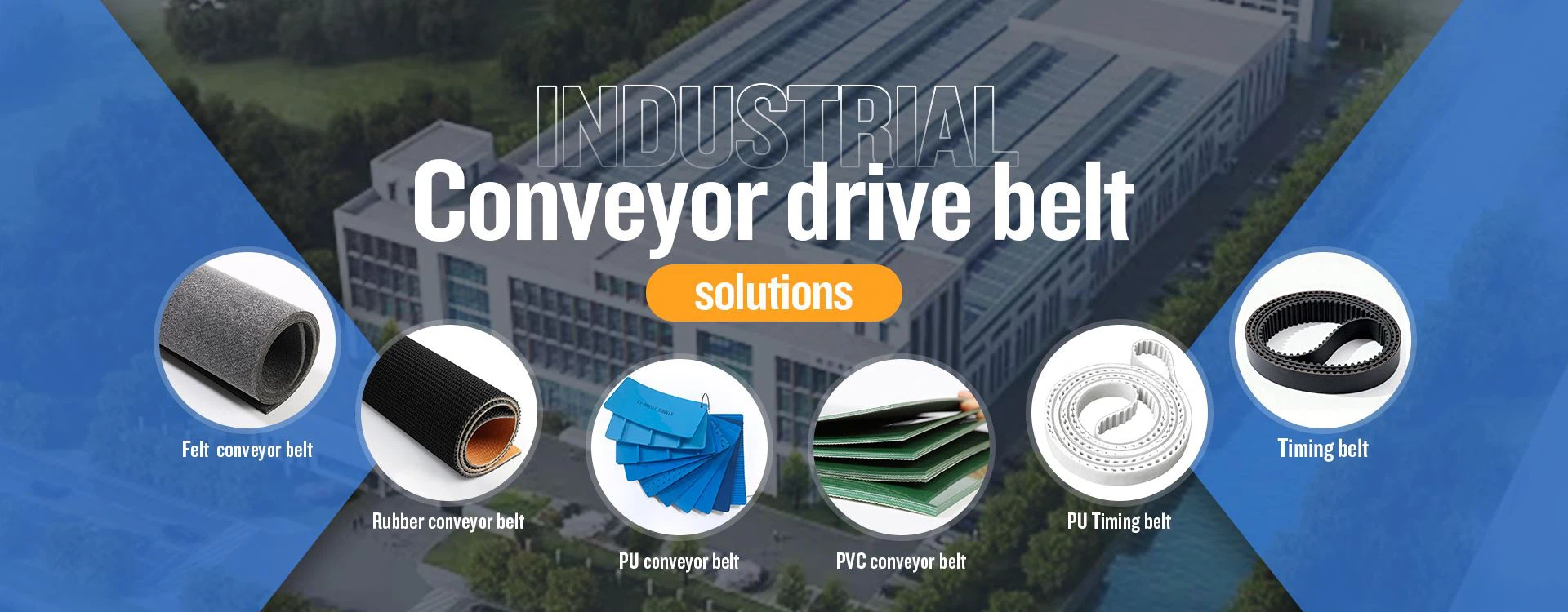
rubber conveyor belt
Feb 15, 2023
Leave a message
Previous
You Might Also Like


