

Hey there! As a hot air fan supplier, I often get asked about the maximum temperature a hot air fan can reach. It's a pretty common question, and understandably so. After all, if you're planning to use a hot air fan for a specific task, you need to know if it can generate enough heat to get the job done.
Let's start by talking about how hot air fans work. Essentially, a hot air fan is a device that blows air over a heating element. The heating element warms up the air, and then the fan blows the heated air out. The temperature of the air that comes out depends on a few factors, including the power of the heating element, the airflow rate, and the design of the fan itself.
Most standard hot air fans on the market can reach temperatures anywhere from about 100°F (38°C) to 1000°F (538°C). The lower - end models, usually those with lower power ratings, are great for tasks like drying paint on a small scale, defrosting a car windshield, or warming up a small area. These fans are often portable and easy to use around the house.
On the other hand, high - end industrial hot air fans can go way beyond that. Some industrial - grade hot air fans can reach temperatures up to 2000°F (1093°C) or even higher. These are used in heavy - duty applications such as industrial drying processes, heat - treating metals, and plastic welding.
When it comes to choosing the right hot air fan for your needs, the maximum temperature is a crucial factor. If you're just looking to use it for DIY projects around the house, like removing wallpaper or doing some light soldering, a fan that can reach 300°F - 600°F (149°C - 316°C) should be sufficient. But if you're in an industrial setting, say for a manufacturing plant where you need to heat large volumes of materials quickly, you'll want a fan that can hit those higher temperatures.
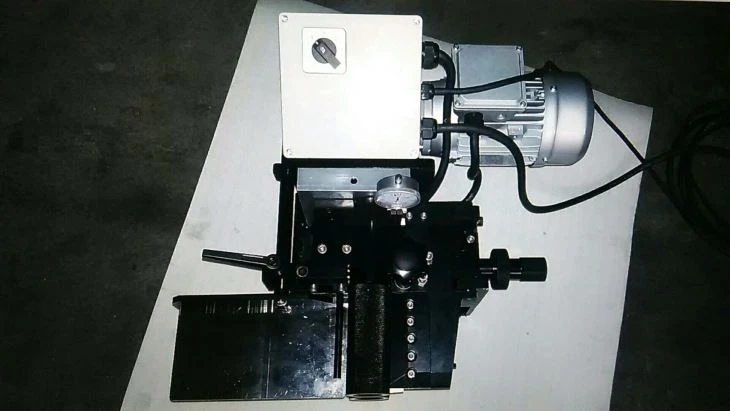
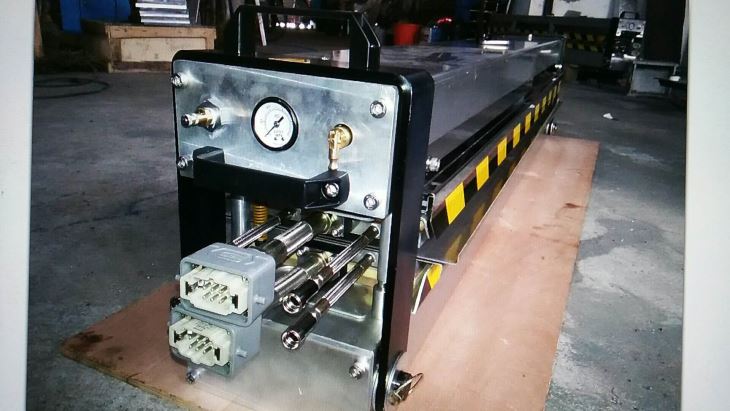
Now, let's talk about some of the things that can affect the maximum temperature a hot air fan can reach. First off, the power of the heating element is key. A more powerful heating element can generate more heat, allowing the fan to reach higher temperatures. But it's not just about the power; the efficiency of the heating element also matters. Some heating elements are designed to convert electrical energy into heat more effectively, which means they can reach higher temperatures with less energy consumption.
The airflow rate is another important factor. If the airflow is too high, the air won't have enough time to heat up fully before it's blown out. On the other hand, if the airflow is too low, the fan might overheat and cause damage to the device. So, manufacturers have to find the right balance to ensure that the fan can reach its maximum temperature while still operating safely.
The design of the fan also plays a role. Some fans are built with better insulation, which helps to keep the heat inside the fan and direct it out through the nozzle. This can lead to more efficient heating and higher maximum temperatures.
In addition to these technical aspects, safety is also a major concern when dealing with high - temperature hot air fans. Most hot air fans come with built - in safety features such as overheat protection. This ensures that if the fan gets too hot, it will automatically shut off to prevent any damage or potential fire hazards.
Now, if you're in the market for a hot air fan, it's important to do your research. Look at different models, read reviews, and compare the maximum temperatures they can reach. And if you're involved in industrial applications, you might want to check out some related equipment. For example, if you're dealing with conveyor belts in your industrial process, you might be interested in the Conveyor Belt Water Cooling Splice Machine. This machine can be used to splice conveyor belts with a water - cooling process, which is an important step in maintaining the integrity of the belts.
Also, if you're trying to decide between using a conveyor belt or a chain in your industrial setup, the Conveyor Belt Vs Chain article can provide some useful insights. And for those who need to split the plies of a conveyor belt, the Conveyor Belt Ply Splitting Machine might be just what you need.
As a hot air fan supplier, I've seen a wide range of applications for these fans. Whether it's a small - scale home project or a large - scale industrial operation, having the right hot air fan can make all the difference. If you're interested in learning more about our hot air fans, or if you have specific requirements regarding the maximum temperature you need, don't hesitate to reach out. We're here to help you find the perfect solution for your heating needs.
To sum it up, the maximum temperature a hot air fan can reach varies widely depending on its type and design. Standard household fans can reach up to around 1000°F, while industrial fans can go much higher. When choosing a hot air fan, consider the task you need it for, the power of the heating element, the airflow rate, and of course, safety features.
If you're thinking about making a purchase or just have some questions, feel free to get in touch. We'll be happy to assist you in finding the best hot air fan for your situation.
References
- General knowledge about hot air fan technology and industrial applications.
- Industry - specific literature on conveyor belt machinery and hot air fan usage.