

Hey there! As a supplier of Belt Splicers, I often get asked the question, "Do Belt Splicers consume a lot of energy?" It's a valid concern, especially in today's world where energy efficiency is a hot topic. So, let's dive into this question and find out the truth.
First off, let's understand what a Belt Splicer is. A Belt Splicer is a machine used to join two ends of a conveyor belt together. This is crucial in industries where conveyor belts are used to transport goods, as a well - spliced belt ensures smooth operation and reduces downtime.
Now, when it comes to energy consumption, it really depends on the type of Belt Splicer you're using. There are several types available in the market, and each has its own energy requirements.
Types of Belt Splicers and Their Energy Use
Mechanical Belt Splicers
Mechanical Belt Splicers use mechanical fasteners to join the belt ends. These machines are relatively simple in design and don't rely on a lot of electrical power. They usually operate with a manual or semi - manual mechanism. For instance, you might use a hand - operated press to install the mechanical fasteners. Since they don't have complex electrical components like heaters or motors running continuously, their energy consumption is quite low. In fact, you can think of them as the "energy - savers" in the Belt Splicer family.
Hot Vulcanizing Belt Splicers
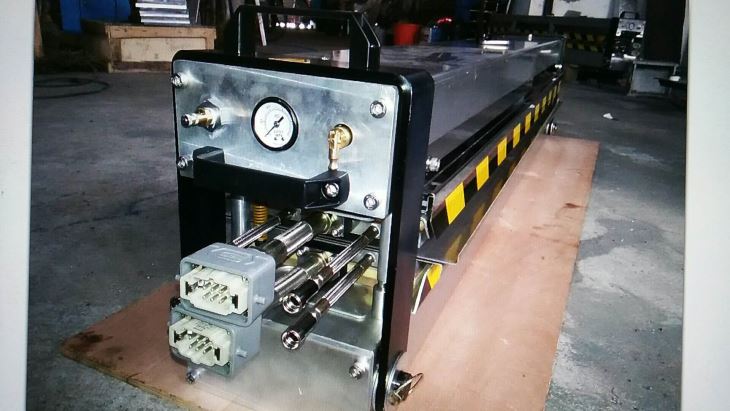
Hot Vulcanizing Belt Splicers, on the other hand, are a different story. These machines use heat to bond the belt ends together. They have heating elements that need to reach and maintain a specific temperature for a certain period of time to achieve a proper splice. This process requires a significant amount of energy. The heating elements draw power continuously until the desired temperature is reached and then need to keep that heat stable during the splicing operation. However, modern hot vulcanizing Belt Splicers are designed with energy - saving features. For example, some of them have better insulation, which reduces heat loss and thus requires less energy to maintain the temperature.
Cold Vulcanizing Belt Splicers
Cold Vulcanizing Belt Splicers use chemical adhesives to bond the belt ends. They don't rely on heat, so from an energy - consumption perspective, they are quite efficient. You mainly need to power a small mixer, if any, to prepare the adhesive. Compared to hot vulcanizing Belt Splicers, their energy use is minimal.
Factors Affecting Energy Consumption
Splicing Frequency
If you're splicing belts frequently, the energy consumption of your Belt Splicer will add up over time. For example, in a factory where conveyor belts are constantly being repaired or extended, a hot vulcanizing Belt Splicer that is used multiple times a day will use a lot more energy than in a place where splicing is done only occasionally.

Belt Size and Thickness
Larger and thicker belts require more energy to splice. A hot vulcanizing Belt Splicer needs to heat a larger area and penetrate through more material to create a strong bond. So, if you're working with heavy - duty belts, expect the energy consumption to be higher.
Machine Efficiency
The efficiency of the Belt Splicer itself plays a big role. Newer models are often more energy - efficient than older ones. They might use better heating elements, more advanced control systems, or improved insulation. For example, a modern conveyor belt water cooling splice machine Conveyor Belt Water Cooling Splice Machine is designed to cool down the belt quickly after splicing, which can save energy in the long run.
Energy - Saving Tips for Belt Splicer Users
Choose the Right Splicer
Based on your needs, select the most energy - efficient Belt Splicer. If you're doing light - duty splicing, a mechanical or cold vulcanizing Belt Splicer might be a better choice. For heavy - duty applications where a strong bond is required, look for a hot vulcanizing Belt Splicer with energy - saving features.
Optimize Splicing Processes
Plan your splicing operations in advance. This way, you can group similar splicing jobs together and reduce the number of times the Belt Splicer needs to be heated up and cooled down. For example, if you have several belts of the same size and type to splice, do them one after the other without turning off the machine between jobs.
Regular Maintenance
Keep your Belt Splicer in good working condition. A well - maintained machine is more energy - efficient. Clean the heating elements, check the insulation, and make sure all the components are working properly. For instance, a dirty heating element might not transfer heat efficiently, which means it has to use more energy to reach the desired temperature.
Our Belt Splicers and Energy Efficiency
At our company, we understand the importance of energy efficiency. That's why we offer a range of Belt Splicers that are designed with energy - saving in mind. Our mechanical Belt Splicers are simple and require minimal energy. Our hot vulcanizing Belt Splicers come with advanced insulation and energy - efficient heating elements. We also have a Conveyor Belt Cutter that is designed to use power only when it's actually cutting the belt, reducing standby energy consumption.
Our Conveyor Belt Electronic Hot Air Heat Gun is another great example. It has a precise temperature control system, which ensures that it uses only the necessary amount of energy to heat the air to the required temperature.
In conclusion, while some Belt Splicers can consume a significant amount of energy, there are ways to minimize this. By choosing the right type of Belt Splicer, optimizing your splicing processes, and maintaining your machines well, you can keep your energy costs down.
If you're interested in learning more about our Belt Splicers or want to discuss your specific splicing needs, we'd love to hear from you. Feel free to get in touch with us to start a conversation about how we can help you with your conveyor belt splicing requirements. Whether you're looking for a cost - effective solution or a high - performance Belt Splicer, we've got you covered.
References
- Industry reports on conveyor belt splicing technology and energy consumption
- Manufacturer specifications for various Belt Splicer models