

Hey there! As a supplier of Belt Splicers, I'm super stoked to dive into how these nifty machines work. Belt splicers are crucial in a bunch of industries where conveyor belts are used, like mining, manufacturing, and logistics. They help join conveyor belts together seamlessly, ensuring smooth operation and long - term durability.
The Basics of a Belt Splicer
First off, let's understand what a belt splicer actually is. Simply put, it's a machine designed to create a strong and reliable joint between two conveyor belts. There are various types of belt splicing methods, such as vulcanization, mechanical splicing, and cold splicing. Each method has its own advantages and is suitable for different belt materials and operating conditions.
Vulcanization Method
Vulcanization is one of the most common and effective ways to splice belts. It involves using heat, pressure, and a special vulcanizing compound to create a chemical bond between the belt ends. Here's how it works step - by - step.
Preparation
Before starting the splicing process, we need to get the belt ready. This means cleaning the belt ends thoroughly to remove any dirt, grease, or debris. We also need to cut the belt ends at a specific angle or shape, depending on the type of splice we're going for. Usually, the belt is cut in a stepped pattern to increase the bonding area.
Applying the Vulcanizing Compound
Once the belt ends are prepped, we apply a layer of vulcanizing compound to both ends. This compound acts as a glue that will hold the two belt ends together during the vulcanization process. It's important to apply the compound evenly to ensure a strong bond.
Assembling the Belt Splicer
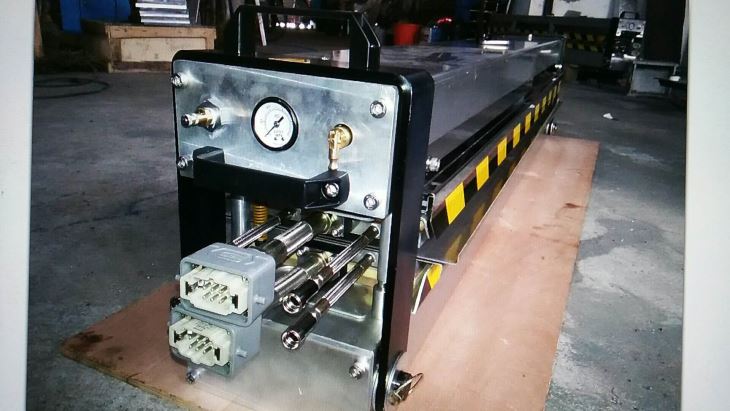
Now it's time to use the belt splicer. The belt splicer consists of two main parts: the heating platens and the pressure system. We place the prepared belt ends between the heating platens, making sure they are aligned properly. Then, we tighten the pressure system to apply the right amount of pressure on the belt.
Heating and Pressurizing
The heating platens are then heated to a specific temperature, usually around 140 - 160 degrees Celsius. The heat softens the vulcanizing compound and allows it to flow, creating a strong chemical bond between the belt ends. At the same time, the pressure system keeps the belt ends firmly together. This process usually takes around 30 minutes to an hour, depending on the belt thickness and the type of vulcanizing compound used.
Cooling
After the heating and pressurizing process is complete, we need to let the belt cool down. Cooling is a crucial step as it helps set the bond and prevents the belt from deforming. Some belt splicers use water cooling, like the Conveyor Belt Water Cooling Splice Machine, which can speed up the cooling process. Others use air cooling, such as the Conveyor Belt Air Cooling Splice Machine.

Mechanical Splicing
Mechanical splicing uses metal fasteners, like clips or bolts, to join the belt ends. This method is quicker and easier than vulcanization, and it's often used for temporary or emergency repairs.
Installation of Fasteners
To start the mechanical splicing process, we first align the belt ends. Then, we use a special tool to install the metal fasteners through the belt ends. The fasteners are designed to grip the belt tightly, creating a strong mechanical connection. However, mechanical splices may not be as strong as vulcanized splices and may require more maintenance over time.
Cold Splicing
Cold splicing is another option, especially for belts made of PVC or other synthetic materials. It uses a cold - curing adhesive instead of heat to bond the belt ends.
Applying the Adhesive
Similar to vulcanization, we first prepare the belt ends by cleaning and cutting them. Then, we apply the cold - curing adhesive to both ends. The adhesive cures at room temperature, eliminating the need for a heating source. Cold splicing is a convenient option as it can be done quickly and doesn't require any special equipment other than a simple clamping device. Machines like the PVC Belt Processing Machine are often used for cold splicing of PVC belts.
Benefits of Using a Belt Splicer
Using a proper belt splicer brings a bunch of benefits. First of all, it ensures a strong and reliable splice. A well - spliced belt will have fewer chances of breaking or coming apart during operation, which can save a lot of time and money on repairs and downtime.
Secondly, it helps improve the performance of the conveyor system. A seamless splice reduces friction between the belt and the conveyor rollers, allowing the belt to move more smoothly. This can lead to better efficiency and lower energy consumption.
Lastly, a belt splicer can extend the lifespan of the conveyor belt. By creating a durable joint, it reduces the wear and tear on the belt, making it last longer.
Why Choose Our Belt Splicers
As a supplier of Belt Splicers, we take pride in offering high - quality products. Our belt splicers are designed with the latest technology to ensure precise splicing every time. We have a wide range of models available, suitable for different belt materials and splicing requirements. Whether you need a vulcanizing belt splicer for heavy - duty industrial use or a cold - splicing machine for light - duty applications, we've got you covered.
If you're interested in enhancing your conveyor belt operations or need a reliable solution for belt splicing, we'd love to talk to you. We can provide you with more detailed information about our products and help you choose the right belt splicer for your specific needs. Don't hesitate to reach out to us for a proper consultation and let's start making your conveyor belt systems more efficient together.
So, if you're looking for a top - notch belt splicer, consider giving us a shout. We're here to assist you in any way we can. Whether it's a small - scale project or a large - scale industrial operation, we're confident that our belt splicers will meet and exceed your expectations.
References
- Handbook of Conveyor Belt Technology
- Industrial Conveyor Belt Manual