

Time belts, also known as timing belts, play a crucial role in various industries, and the furniture industry is no exception. As a time belts supplier, I've seen firsthand how these components impact the furniture manufacturing process. In this blog post, I'll dive into how time belts affect the furniture industry and why they're so important.
Precision in Manufacturing
One of the key ways time belts affect the furniture industry is by providing precision in manufacturing. Furniture production often involves a variety of machinery, such as saws, routers, and sanders. These machines need to operate with high precision to ensure that the final products meet the required standards.
Time belts are used in these machines to synchronize the movement of different components. For example, in a sawing machine, the time belt ensures that the blade rotates at the correct speed and in sync with the feeding mechanism. This precision is essential for cutting the wood accurately, which is crucial for creating furniture pieces that fit together perfectly.
If a time belt fails or is not properly maintained, it can lead to inaccuracies in the manufacturing process. This can result in furniture pieces that are not the right size or shape, which can lead to wasted materials and increased production costs. That's why it's important for furniture manufacturers to choose high-quality time belts, like the ARC Teeth Industrial Performance HTD Rubber Timing Belts Jointing to Endless, which are designed to provide reliable performance and precision.
Efficiency and Productivity
Another important aspect of time belts in the furniture industry is their impact on efficiency and productivity. In a busy furniture manufacturing facility, time is money. Any downtime due to machine breakdowns or inefficiencies can have a significant impact on the bottom line.

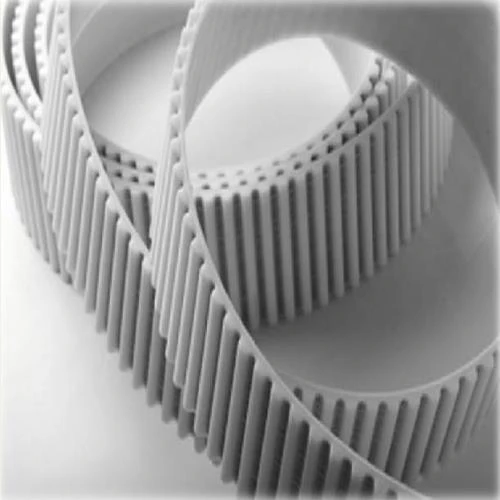
Time belts are designed to operate smoothly and quietly, which helps to reduce the amount of noise and vibration in the machinery. This not only makes the working environment more comfortable for the operators but also helps to extend the lifespan of the machines. Additionally, time belts are typically made from durable materials, such as rubber, which can withstand the rigors of continuous use.
By using high-quality time belts, furniture manufacturers can increase the efficiency of their production processes. For example, a well-maintained time belt can help to reduce the amount of time it takes to cut, shape, and assemble furniture pieces. This can lead to increased productivity and faster turnaround times, which can give furniture manufacturers a competitive edge in the market.
Cost Savings
In addition to providing precision and efficiency, time belts can also help furniture manufacturers save money. As mentioned earlier, using high-quality time belts can help to reduce the amount of wasted materials due to inaccuracies in the manufacturing process. This can lead to significant cost savings over time.
Furthermore, time belts are relatively inexpensive compared to other components in furniture manufacturing machinery. By investing in high-quality time belts, furniture manufacturers can avoid the need for frequent replacements and repairs, which can also save money in the long run. For example, the Conveyor Belt Rubber V Belt Timing Belt is a cost-effective option that provides reliable performance and durability.
Customization and Flexibility
The furniture industry is constantly evolving, and manufacturers need to be able to adapt to changing customer demands. Time belts offer a high degree of customization and flexibility, which makes them ideal for use in a variety of furniture manufacturing applications.
For example, time belts can be customized to fit specific machinery requirements. This means that furniture manufacturers can choose the right time belt for their specific needs, whether it's a small, lightweight belt for a delicate router or a heavy-duty belt for a large sawing machine. Additionally, time belts can be designed to operate at different speeds and with different levels of tension, which allows for greater flexibility in the manufacturing process.
Environmental Impact
In today's world, environmental sustainability is becoming increasingly important. The furniture industry is no exception, and many manufacturers are looking for ways to reduce their environmental impact. Time belts can play a role in this effort.
Many time belts are made from recyclable materials, such as rubber. This means that at the end of their lifespan, they can be recycled and used to make new products. Additionally, by using high-quality time belts, furniture manufacturers can reduce the amount of energy consumed by their machinery. This is because time belts are designed to operate efficiently, which helps to reduce the amount of power needed to run the machines.
Conclusion
As you can see, time belts have a significant impact on the furniture industry. They provide precision, efficiency, cost savings, customization, and environmental sustainability. As a time belts supplier, I'm committed to providing high-quality products that meet the needs of furniture manufacturers.
If you're a furniture manufacturer looking for reliable time belts, I encourage you to [contact me](insert contact details here). I'd be happy to discuss your specific requirements and help you choose the right time belt for your needs. Whether you need a ARC Teeth Industrial Performance HTD Rubber Timing Belts Jointing to Endless, a Conveyor Belt Rubber V Belt Timing Belt, or a Timing Belt Rubber, I have the expertise and products to help you succeed.
References
- "Timing Belt Basics." Machinery Lubrication.
- "The Importance of Timing Belts in Manufacturing." Manufacturing.net.
- "Sustainable Furniture Manufacturing: Trends and Best Practices." Furniture Today.