

Hey there! As a supplier of Belt Splicers, I often get asked whether these machines require regular maintenance. Well, the short answer is yes, and in this blog, I'll dive deep into why it's crucial and how it can benefit you.
First off, let's understand what Belt Splicers are. Belt Splicers are essential tools in industries that rely on conveyor belts. They're used to join conveyor belts together, ensuring a seamless and efficient operation. Whether it's in mining, manufacturing, or logistics, a well - functioning Belt Splicer can make a huge difference in productivity.
Now, why is regular maintenance so important?
1. Ensures Optimal Performance
Just like any other piece of machinery, Belt Splicers can experience wear and tear over time. Components such as heating elements, cutting blades, and pressure mechanisms can degrade with use. Regular maintenance, which includes cleaning, lubrication, and inspection, helps keep these parts in top - notch condition. For example, if the heating element of a Belt Splicer isn't maintained properly, it might not reach the required temperature for a good splice. This can lead to weak joints, which can cause the conveyor belt to break or malfunction, resulting in costly downtime.
2. Extends the Lifespan of the Machine
A Belt Splicer is a significant investment. By performing regular maintenance, you're essentially getting more bang for your buck. When you take care of the machine, you reduce the likelihood of major breakdowns. For instance, if you regularly check and replace worn - out parts like gaskets and seals, you prevent leaks and other issues that could damage the internal components of the splicer. This means your Belt Splicer will last longer, saving you money in the long run as you won't have to replace it as frequently.
3. Improves Safety
Safety is always a top priority in any industrial setting. A poorly maintained Belt Splicer can pose serious risks to operators. Loose parts, frayed wires, or malfunctioning safety features can lead to accidents. Regular maintenance includes checking safety mechanisms such as emergency stop buttons and guards. By ensuring these are in working order, you create a safer environment for your employees.
4. Maintains Quality of Splices
The quality of the splices made by your Belt Splicer directly impacts the performance of the conveyor belt. A well - maintained splicer will consistently produce high - quality splices. This is crucial because a good splice ensures the smooth running of the conveyor belt, reduces the risk of belt misalignment, and minimizes the chances of material spillage. If you're in an industry where precision is key, like food processing or electronics manufacturing, the quality of the splices can have a direct impact on your product quality.
So, what does regular maintenance of a Belt Splicer involve?
Cleaning
Cleaning is the most basic form of maintenance. You should regularly clean the Belt Splicer to remove dirt, debris, and any residue from the splicing process. This can be done using a soft brush and a mild cleaning solution. Make sure to clean all the nooks and crannies, especially around the heating elements and cutting areas.

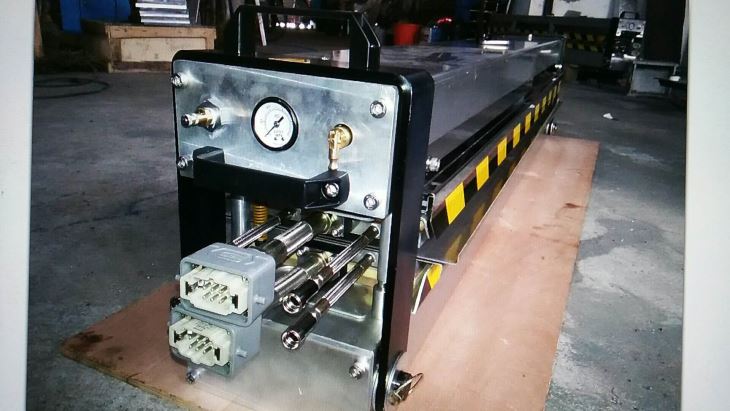
Lubrication
Some parts of the Belt Splicer, such as moving joints and bearings, require lubrication. Using the right type of lubricant at the recommended intervals helps reduce friction and wear. This ensures that the parts move smoothly and operate efficiently.
Inspection
Regular inspections are essential to catch any potential problems early. Check for signs of wear and tear on components like belts, hoses, and electrical connections. Look for any loose or damaged parts and replace them immediately. You should also test the safety features of the splicer to make sure they're working correctly.
Calibration
Calibration is important to ensure that the Belt Splicer is operating at the correct settings. This includes checking the temperature, pressure, and timing settings. Incorrect calibration can lead to poor - quality splices, so it's crucial to have the machine calibrated regularly by a professional.
Now, let's talk about some of the other products that can complement your Belt Splicer and also require proper maintenance.
If you're in the market for a Conveyor Belt Cutter, it's a great addition to your splicing toolkit. This tool is used to cut the conveyor belt to the right size before splicing. Just like the Belt Splicer, it needs regular cleaning and blade replacement to ensure accurate and clean cuts.
Another useful product is the Conveyor Belt Electronic Hot Air Heat Gun. This heat gun is often used in the splicing process to heat the belt and the splicing material. It requires maintenance such as checking the heating element, cleaning the air intake, and ensuring the temperature control is accurate.
And then there's the Conveyor Belt Water Cooling Splice Machine. This machine is used to cool the spliced belt quickly, which helps set the splice. Regular maintenance for this machine includes checking the water circulation system, cleaning the cooling plates, and ensuring the water temperature is within the correct range.
In conclusion, regular maintenance of Belt Splicers and related products is a must. It ensures optimal performance, extends the lifespan of the machines, improves safety, and maintains the quality of splices. If you're looking to invest in Belt Splicers or need advice on maintenance, don't hesitate to reach out. We're here to help you keep your operations running smoothly. Whether you're a small business or a large corporation, proper maintenance can make a significant difference in your bottom line.
So, if you're interested in learning more about our Belt Splicers and how we can assist you with maintenance, feel free to contact us. We'll be happy to have a chat and see how we can meet your needs.
References:
- Industrial Machinery Maintenance Handbook
- Conveyor Belt Technology and Maintenance Guide