

Hey there! As a PU belt supplier, I often get asked a bunch of questions about our products. One question that pops up quite a bit is, "Can I adjust the length of a PU belt?" Well, let's dive right into this topic and break it down.
First off, let's understand what PU belts are. Polyurethane (PU) belts are super popular in various industries. They're known for their flexibility, durability, and resistance to wear and tear. You can find them in conveyor systems, industrial machinery, and even some household appliances. They come in different shapes, sizes, and colors, and are designed to meet a wide range of needs.

Now, back to the main question: Can you adjust the length of a PU belt? The short answer is yes, but there are a few things you need to keep in mind.
Methods of Adjusting PU Belt Length
Cutting and Re - Joining
One common way to adjust the length of a PU belt is by cutting and re - joining it. But this isn't as simple as just taking a pair of scissors and snipping away. You need the right tools and skills. For starters, you'll need a sharp knife or a cutting tool specifically designed for PU materials. Make sure to measure the length you want accurately. A small mistake in measurement can lead to a belt that's either too short or too long.
Once you've cut the belt to the desired length, you'll need to re - join the ends. There are different methods for this. Some PU belts come with a mechanical fastener system. This is like a set of small interlocking pieces that you can use to connect the two ends. It's relatively easy to install and can be a good option if you need to make adjustments frequently.
Another way is to use a bonding agent. There are special adhesives available that are designed to bond PU materials together. When using an adhesive, you need to make sure the surfaces are clean and dry. Apply the adhesive evenly on both ends of the belt and then press them together firmly. Let it dry according to the manufacturer's instructions. This method creates a strong and seamless joint, but it requires a bit more patience and precision.
Using Belt Tensioners
In some cases, you might not need to actually cut the belt. Instead, you can use belt tensioners. Belt tensioners are devices that can adjust the tension of the belt, which in turn can change the effective length of the belt within the system. They work by either tightening or loosening the belt, depending on your needs.
For example, if you have a conveyor system and the belt seems a bit loose, you can use a belt tensioner to increase the tension. This will make the belt fit more snugly and can sometimes solve the problem without having to cut the belt. On the other hand, if the belt is too tight, you can loosen the tensioner to give the belt a bit more slack.
Factors to Consider
Application Requirements
Before you start adjusting the length of a PU belt, you need to consider the application requirements. Different industries and machines have different specifications for belt length and tension. For example, in a food processing industry, the belt needs to be a certain length to ensure proper movement of the food products. Any deviation from the required length can lead to inefficiencies or even product contamination.
In an industrial manufacturing setting, the belt length and tension need to be precise to ensure the smooth operation of the machinery. If the belt is too short or too long, it can cause the machine to malfunction, leading to downtime and potential damage to the equipment.
Belt Material and Thickness
The material and thickness of the PU belt also play a crucial role in the adjustment process. Thicker belts are generally more difficult to cut and re - join compared to thinner ones. They may require more powerful cutting tools and stronger bonding agents.
Some PU belts are reinforced with fibers or other materials to increase their strength. These reinforced belts may need special handling when adjusting the length. You need to make sure that the cutting and joining process doesn't damage the reinforcement, as this can affect the overall performance of the belt.
Our PU Belt Products
At our company, we offer a wide range of PU belts to meet different customer needs. For example, we have the Facotory PVC Blue Oil Resistance Food Conveyor Belt. This belt is specifically designed for the food industry. It's resistant to oil and can handle the rigors of food processing.
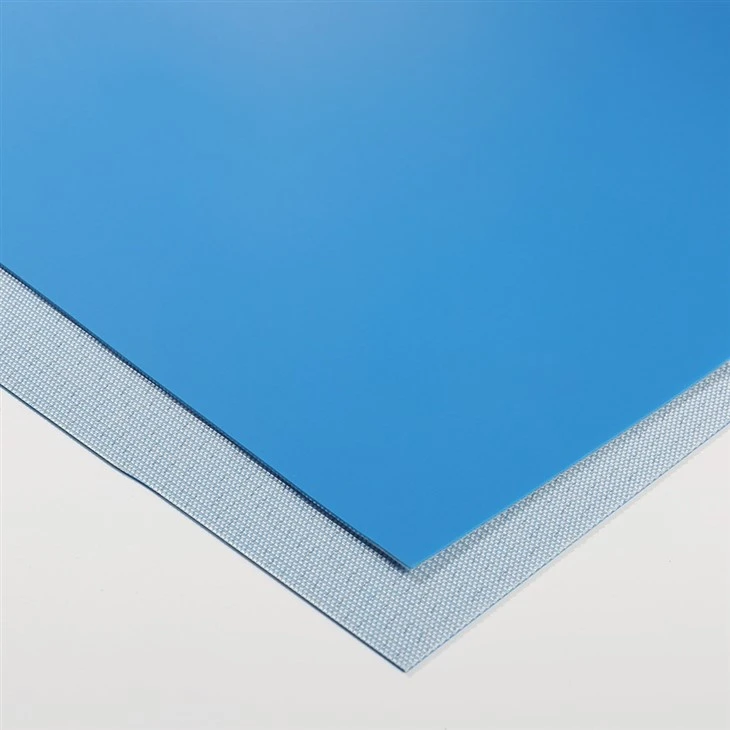
Another great product is the Blue Food Grade PU, Blue Bottom, One Layer Cloth. This belt is made of high - quality food - grade PU material and has a unique one - layer cloth design. It's perfect for applications where hygiene and durability are important.
We also have the White 1.2MM Small Diamond Grain High Quality PU Conveyor Belt. This belt has a small diamond grain pattern, which provides better grip and traction. It's suitable for various industrial and conveyor applications.
Conclusion
So, to sum it up, yes, you can adjust the length of a PU belt. Whether you choose to cut and re - join it or use belt tensioners, it's important to do it right. Consider the application requirements, the belt material and thickness, and use the appropriate tools and methods.
If you're in the market for high - quality PU belts or need more information about belt length adjustment, don't hesitate to reach out. We're here to help you find the perfect solution for your needs. Whether you're a small business owner or part of a large industrial operation, we have the products and expertise to support you. Contact us today to start a discussion about your PU belt requirements.
References
- "Polyurethane Belt Handbook" - A comprehensive guide on the properties and applications of PU belts.
- Manufacturer's manuals for various PU belt products.